The end of the internet sounds dramatic, but the phrase is usually not about the internet actually shutting down. It is more of a joke, a mood, and a way to describe how strange online life can feel when everything starts looking the same.
Sometimes it means an old-school joke about reaching the “last page” of the web. Other times, it describes a very modern feeling: you can scroll forever, but somehow the internet feels less surprising than it used to.
What Does The End Of The Internet Mean?
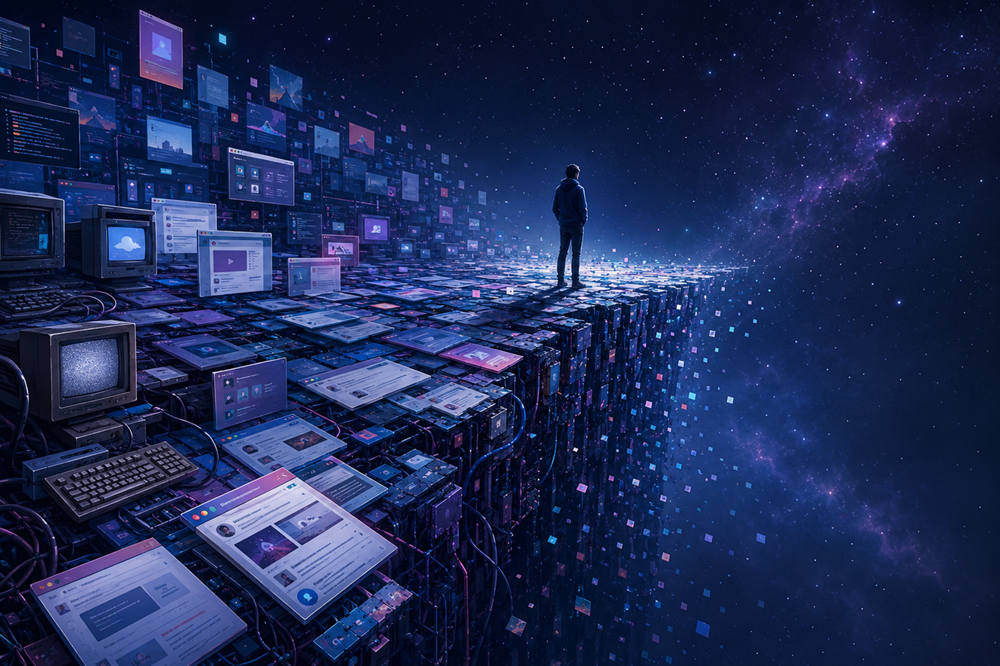
The end of the internet is not a real destination. There is no final webpage waiting at the edge of the web.
The phrase usually has two meanings. The first is playful. Years ago, joke websites claimed you had reached the last page online and could finally turn off your computer. It was simple, silly, and very early-internet.
The second meaning is more serious. People use the phrase when the web feels stale, crowded, repetitive, or overly controlled by big platforms. You are still online, but it may not feel like you are exploring anymore. It can feel like the same trends, jokes, arguments, ads, and recycled posts are following you everywhere.
That is why the phrase still works. It captures both the humor of the old internet and the exhaustion of the modern one.
The Old Joke Behind The Phrase
Before social media became the center of online life, the web felt more like a strange maze. You clicked from one page to another and landed on personal blogs, fan sites, message boards, homemade graphics, niche forums, and odd little joke pages.
Some of those joke pages claimed to be “the last page of the internet.” The humor came from the impossibility of it. The internet already felt endless, so pretending there was a final stop made the joke even better.
These pages were not polished or strategic. They were not trying to rank in search, build a brand, or push you into a sales funnel. They were just little creative experiments made by people having fun online.
That is part of why the phrase feels nostalgic now. It reminds people of a web that seemed more random, personal, and handmade. It also points back to the early promise of the World Wide Web, when the web was imagined as an open place for sharing, linking, and discovering information.
Why People Joke About Reaching The End
The joke still lands because online life can become weirdly predictable. You open one app, then another, then another, and somehow see the same topic everywhere.
A viral clip gets reposted on five platforms. A meme turns into a thousand copies. A trend that felt fresh yesterday already feels overused today. Even opinions start to sound rehearsed, as if everyone is reacting from the same script.
That is when you feel like you have reached the end of the internet. Not because there is nothing left online, but because nothing feels new.
You are surrounded by endless content, but very little of it feels worth your attention.
Is The Internet Actually Ending?
No, the internet is not ending. It is still growing, changing, and becoming more connected to daily life.
What has changed is the way many people experience it. The older web was built around searching, clicking, bookmarking, and wandering. You had to move from place to place yourself, which often led to unexpected discoveries.
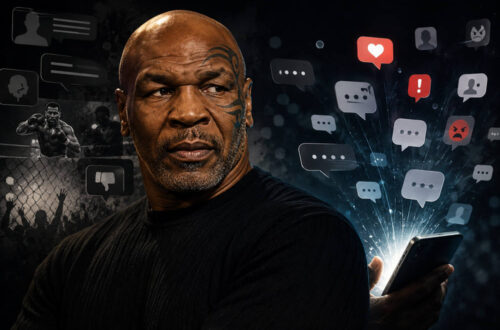
Now, more of the internet comes to you through feeds. Platforms decide what to show based on engagement, watch time, clicks, and behavior. That can be convenient, but it also changes the rhythm of being online.
Instead of exploring the web, you may feel like you are sitting inside a stream of recommended content. Some of it is useful. Some of it is entertaining. But after a while, it can start to feel flat.
The internet did not disappear. The feeling of open discovery became harder to find.
Why The Modern Internet Feels Smaller
It sounds odd to say the internet feels smaller when there is more content than ever. But more content does not always create more variety.
A big reason is repetition. Algorithms often reward whatever is already getting attention. When one format works, more creators copy it. When one topic goes viral, every feed fills with reactions, remixes, summaries, and arguments about it.
Large platforms also pull attention toward the same popular spaces. That can make smaller blogs, independent websites, forums, and niche communities harder to notice. If you want proof that older corners of the web still matter, the Wayback Machine is a useful reminder of how much online history can disappear, change, or become harder to find.
Then there is the commercial side of the web. Ads, pop-ups, paywalls, affiliate pages, tracking notices, and thin search-focused articles can make browsing feel like work. You may still find good information, but you often have to dig through clutter first.
Online privacy concerns also shape how the web feels. Groups like the Electronic Frontier Foundation have long focused on digital rights, privacy, and user freedom, which are a big part of why the open web still matters.
The problem is not that the internet has no good corners left. It does. The problem is that the loudest parts often cover them up.
The End Of The Internet As Digital Burnout
You know digital burnout is creeping in when the internet stops helping you and starts wearing you out.
Maybe you open your phone because you are bored and close it feeling irritated. Maybe you check the news and feel heavier. Maybe you scroll through short videos for half an hour and barely remember what you watched.
That is your personal version of reaching the end of the internet.
It can happen when you take in too much at once: too many opinions, too many alerts, too many arguments, too many updates, too many people trying to sell something. The web keeps offering more, but more is not always better.
This is especially easy to understand when you look at how deeply connected daily life has become. Research from Pew Research Center shows how normal constant online access has become for younger users, but adults can feel the same always-online pressure too.
Sometimes the healthiest thing you can do online is stop before the internet starts deciding your mood for you.
What Comes After The End Of The Internet?
The web is not finished. It is just moving into another strange phase.
More people are looking for smaller, calmer spaces online. That might mean newsletters, private group chats, Discord servers, niche forums, independent blogs, podcasts, or creator communities that feel less chaotic than massive public feeds.
AI tools are also changing how people search, write, summarize, and discover information. That brings both convenience and new concerns. The easier it becomes to produce content, the more important it becomes to recognize what is useful, original, and trustworthy.
The next version of the internet may not be about seeing more. It may be about choosing better. That idea connects with broader conversations about a healthier web, including work like Mozilla’s Internet Health Report, which looks at the systems, choices, and power structures shaping online life.
People still want good stories, helpful guides, funny jokes, honest reviews, real communities, and creative projects. Those things have always been the heart of the web. They are not gone. They are just harder to hear through all the noise.
How To Use The Internet Without Feeling Drained
You do not have to quit the internet to enjoy it more. You just need to use it with more intention.
Start by cleaning up your feeds. Unfollow accounts that constantly annoy you, stress you out, or waste your time. You are allowed to make your own online space quieter.
Bookmark websites you actually like. This helps you build your own path through the web instead of relying only on whatever an algorithm serves you.
Search with a purpose. Before opening a browser or app, ask yourself what you are trying to find. A recipe? A tutorial? A review? A definition? A clear goal makes it easier to avoid falling into a scroll hole.
Spend more time with better content. Read thoughtful articles, watch useful videos, listen to good podcasts, or explore deep guides. Not every online moment has to be quick, loud, and disposable.
Choose communities over chaos when you can. A small group with shared interests can be more rewarding than a huge feed full of strangers arguing.
Most importantly, notice how the internet makes you feel. The American Academy of Pediatrics has pointed out that screen time is not only about minutes; the quality of your digital experience matters too. That idea applies beyond kids and teens. If you leave a site feeling informed, inspired, or connected, that is a good sign. If you leave feeling numb, annoyed, or exhausted, it may be time to step away.
The Internet Is Not Over, But The Way We Use It Is Changing
The end of the internet is both a joke and a real feeling. It points back to an earlier web full of strange pages and playful humor, but it also describes the modern sense that online life has become more repetitive, commercial, and overwhelming.
Still, the best parts of the web are not gone. You can still find smart people, helpful ideas, small communities, creative projects, personal blogs, and quiet corners worth visiting.
You may just have to look with more intention than before.
Maybe the real end of the internet is not a final page. Maybe it is the moment you realize endless browsing is not the same as meaningful discovery.