Michael Jackson’s public memorial was not only a television event. It was also an early look at how the internet would change the way people experience major cultural moments.
In 2009, millions watched the service on TV. Many others followed through livestreams, searches, live blogs, Facebook updates, Twitter reactions, and news sites. Today, that kind of multi-screen attention feels normal. At the time, it still felt new. For a tech-culture site, the memorial is interesting not because it was a celebrity spectacle, but because it showed how online platforms were becoming public gathering places.
Quick Take
Michael Jackson’s memorial matters in internet history because it happened at a turning point. Traditional TV still carried the main broadcast, but the web shaped how people found the event, talked about it, and reacted in real time.
The memorial showed a pattern that now feels familiar: a shocking news event, a search spike, live video, social feeds, instant commentary, and a huge online crowd trying to process the same moment together.
What Happened at the Memorial?
Michael Jackson died on June 25, 2009, at age 50. His public memorial service was held on July 7, 2009, at the Staples Center in Los Angeles, the same arena where he had been rehearsing for his planned This Is It concerts.
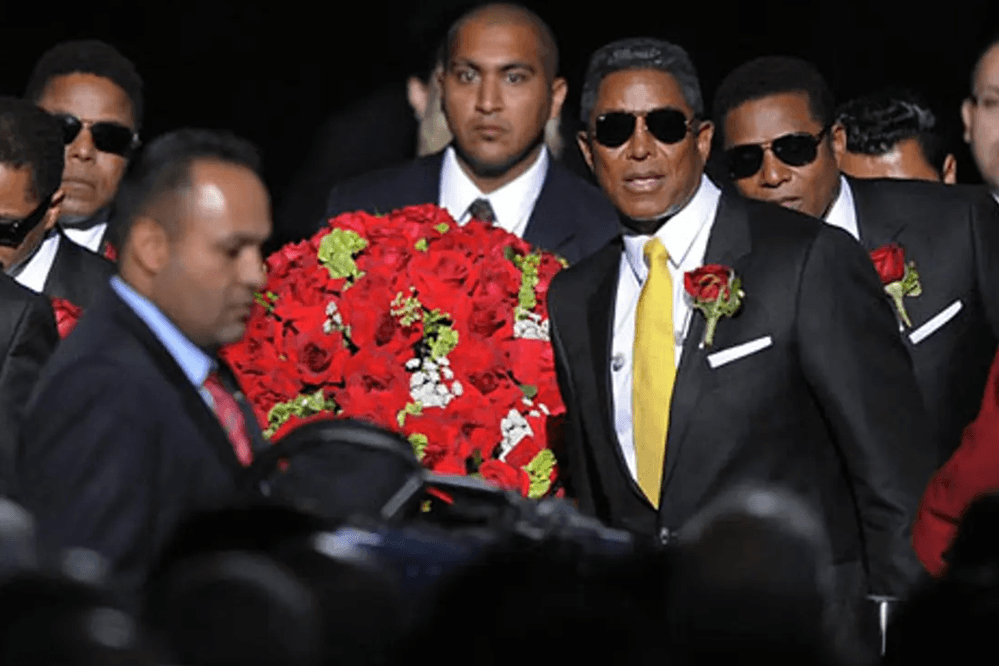
The service included performances and remarks from major artists, friends, athletes, and family members, including Stevie Wonder, Mariah Carey, Usher, Brooke Shields, Magic Johnson, and others. It was emotional, highly watched, and carefully staged for a global audience.
One of the most remembered moments came near the end, when Jackson’s daughter Paris briefly spoke about her father. For many viewers, that short moment cut through the scale of the event and made it feel personal.
Why the Internet Part Matters
By 2009, the internet was already a major news source, but it had not fully become the always-on reaction machine we know today. Twitter was still young. Facebook was growing fast. YouTube had changed video culture, but livestreaming was not yet something people expected from every major event.
That is what makes the Michael Jackson memorial so interesting. It sat between two media eras.
On one side, it was an old-school broadcast watched on major networks and cable channels. Nielsen reported that more than 31 million people in the United States watched the service on TV across 18 networks.
On the other side, it offered a preview of modern internet attention. People searched for updates, watched online streams, followed live blogs, posted status updates, and reacted while the event was still unfolding. The memorial did not replace television. It stretched the experience across screens.
The Search Spike Came First
The online reaction began before the memorial. When news of Jackson’s death broke, people rushed to search engines to confirm what had happened.
Google later said the sudden wave of searches for “Michael Jackson” was so intense that its systems briefly treated the activity like a possible automated attack. For a short time, some users saw a warning page instead of normal search results.
That detail feels strange now, but it captures the state of the web in 2009. Search engines were already central to breaking news, yet the scale of sudden public attention could still surprise the systems behind them.
People were not calmly reading one official report. They were checking multiple sources, refreshing pages, looking for video, reading timelines, and trying to understand whether the news was real. The reaction was emotional, but it was also technical. Servers, search systems, news sites, and social platforms became part of the story.
The Memorial Became a Livestream Event
The July 7 memorial was broadcast across major TV networks, but it also streamed online through news sites and web platforms. ABC News, Hulu, CNN, MySpace, and other outlets helped bring the service to people who were watching from computers instead of living rooms.
That mattered in 2009. Watching a major memorial live from a browser still felt different. It made the event easier to follow from work, school, or anywhere someone had a screen and a connection.
Today, livestreaming is expected. Major events show up on YouTube, network apps, TikTok Live, Instagram, news sites, and embedded players almost instantly. In 2009, the Jackson memorial helped show where that behavior was heading.
Facebook Turned Reaction Into a Feed
Facebook played a major role in how people experienced the memorial online. ABC News reported that Facebook users posted around 800,000 status updates connected to the event, and Jackson’s Facebook page had grown to nearly 7 million fans around that period.
This was a major shift in public reaction. People were no longer only watching an event or talking about it privately afterward. They were posting memories, lyrics, favorite songs, short tributes, and instant reactions into a shared feed.
That kind of behavior is ordinary now. When a major public figure dies today, social feeds fill almost immediately with clips, memories, arguments, personal stories, and reposted images. In 2009, the habit was still taking shape.
Twitter Made the Moment Feel Immediate
Twitter was smaller then, but it already had the speed that would later define it. During Jackson’s death and memorial, the platform worked like a fast public reaction layer.
Viewers could watch a speech, song, or camera shot and immediately see people respond to it. That changed the feeling of the event. It was no longer just a broadcast from a stage to an audience. It was a shared running conversation.
This is now one of the main ways people experience live events. The second screen has become part of the first screen. People watch the event and the reaction at the same time.
Live Blogs Were the Bridge
Live blogs were another very 2009 part of the memorial. Before social feeds became the main place for second-by-second commentary, news sites and magazines often used live blogs to narrate major events.
For the Jackson memorial, live blogs mixed reporting, context, reaction, and cultural observation. They were useful because not everyone could watch a stream directly. A live blog let readers follow the event from a desk, a phone, or a slow connection.
Looking back, live blogs feel like a bridge between traditional news coverage and social-first coverage. They had the pace of the internet, but still carried the voice of an editor or reporter guiding the reader through the moment.
What Felt New in 2009
Public mourning existed long before social media. Fans gathered after the deaths of Elvis Presley, John Lennon, Princess Diana, Tupac Shakur, Kurt Cobain, and many others. They left flowers, bought magazines, called radio stations, watched TV specials, and gathered outside important locations.
The Jackson memorial added a newer layer. Fans did not only gather physically. They gathered on platforms. They did not only save newspaper clippings. They shared links. They did not only talk to people nearby. They posted to everyone they knew.
That shift is easy to miss now because it has become so normal. But in 2009, the audience was learning that it had its own broadcast tools.
What Feels Different Now
If the same kind of event happened today, the online experience would be much bigger and messier.
YouTube would carry official streams and endless clips. TikTok would turn short emotional moments into repeatable video posts. Instagram would fill with Stories. X would drive fast reactions, arguments, quotes, and trending topics. Reddit threads would collect links and debate the coverage. News apps would send push alerts. Algorithms would decide which moments most people saw first.
The basic pattern would be familiar: watch, search, post, react, clip, share, argue, archive. But the speed would be far greater. The memorial would not only be watched live. It would be chopped into moments almost instantly.
That is one reason the 2009 memorial still feels important. It came before the fully developed clip economy, but it pointed toward it.
The Fragile Side of Internet Memory
The web can make a moment feel permanent, but old internet history is surprisingly fragile. Streams disappear. Embedded videos break. Blog posts vanish. Flash players stop working. Social media links rot. Comment sections get removed.
That is part of what makes revisiting an old 2009 blog post interesting. A short post may have linked to a memorial video, a stream, a mix, a tribute page, or a live clip that no longer works. The archive may preserve the page shape, but not the full experience around it.
Early internet culture often felt instant and endless. Years later, many pieces are missing. What remains is the pattern: people used the tools they had to gather around a major event.
What the Memorial Predicted
The Michael Jackson memorial predicted several habits that now define online culture.
Major events are multi-screen events. People rarely just watch anymore. They search, post, text, scroll, and compare reactions at the same time.
Social platforms help set the emotional tone. A moment can feel bigger because people see everyone else responding to it.
Search engines become part of the first reaction. When something shocking happens, people search before they fully understand what they are looking for.
Livestreaming makes location less important. You do not need to be near the event to feel connected to it.
Online attention can create community, but it also creates overload. The same systems that help people gather can also spread rumors, repeat the same clips, and turn grief into content.
Why It Still Feels Relevant
Looking back, the memorial feels like an early version of how we now experience many major events: celebrity deaths, award shows, product launches, court cases, political debates, disasters, concerts, and sports moments.
There is usually a live feed. Then come the clips, reactions, searches, commentary, memes, arguments, and archive pages. The event itself is only one layer. The internet builds the rest around it.
In 2009, that system was not as polished or as fast as it is now. But the outline was already visible. The Jackson memorial showed that the web had become more than a place to read about culture. It had become a place where culture happened in real time.
Final Take
Michael Jackson’s memorial was emotional because of his music, fame, sudden death, and complicated place in pop culture. But from a NerdLike angle, the larger lesson is about media behavior.
The memorial showed millions of people moving between television, search engines, livestreams, social feeds, and live coverage. It captured a moment when the internet was becoming a public room for shared attention.
That is why the event still matters online. It was not just covered by the internet. It helped show what the internet was becoming.
image: time.com