“It’s cool when they do it” is one of those internet phrases that turns a familiar frustration into a joke. Online, it usually points to a double standard: someone else can do something and get away with it, but when you do something similar, suddenly it becomes a problem.
The phrase comes from Finesse2Tymes’ 2022 song “Back End”. After the track gained traction on TikTok, the line became a meme format for calling out unfairness, hypocrisy, and selective criticism. It works because the meaning is easy to understand even before you know the song behind it.
What Does “It’s Cool When They Do It” Mean?
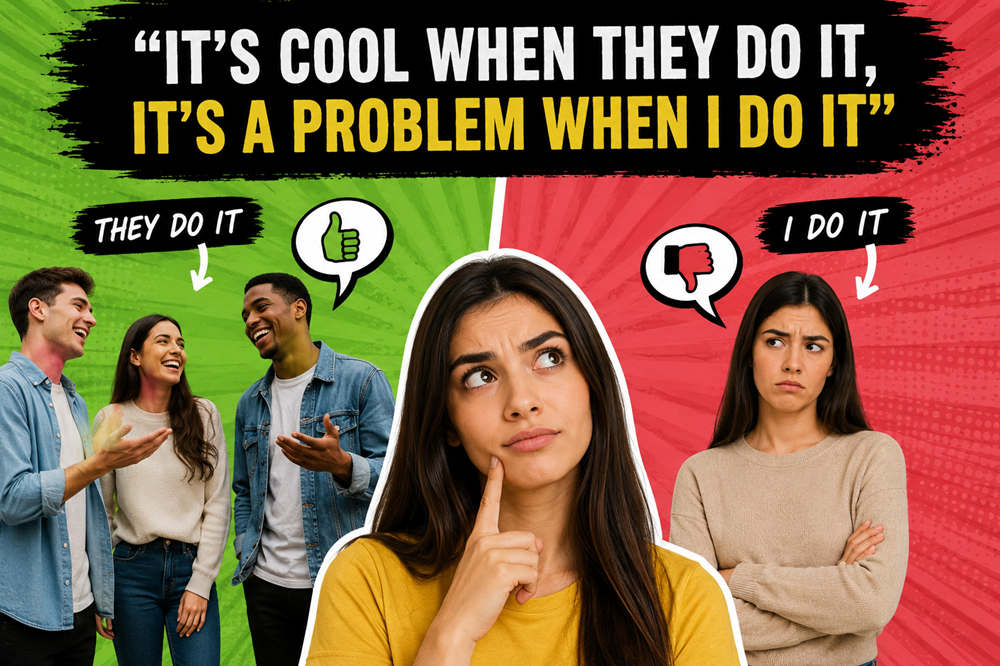
The phrase is usually used to say, “Why is it acceptable when they do it, but wrong when I do it?” That contrast is the whole joke. It captures the feeling of being judged by a different standard than everyone else.
Sometimes the phrase is playful. Someone might use it when a friend cancels plans all the time but gets annoyed when anyone else does the same. Other times, it can be sharper, especially when people use it to talk about unfair treatment at work, in relationships, in fandoms, or in public conversations.
That is why the phrase spread so easily. It does not belong to one type of situation. It can describe small everyday annoyances or bigger examples of unequal treatment.
Where the Phrase Comes From
“It’s cool when they do it” is closely tied to “Back End” by Memphis rapper Finesse2Tymes. The song was released in 2022 and later became one of the tracks that introduced many casual listeners to him through short-form video platforms.
As often happens with viral music, one recognizable moment from the song took on a separate life online. People did not need to discuss the full track to understand the meme. The line had enough attitude and rhythm to work as a reaction on its own.
Once TikTok users began pairing the sound with relatable captions, the phrase moved beyond music. It became a quick way to frame a situation where someone feels blamed, punished, or mocked for something others do freely.
How TikTok Turned It Into a Meme
TikTok gave the phrase a visual format. Many versions used the “Police Runner” filter, where the creator’s head appears to run from a police car while text on the screen explains the thing they are being “chased” for. The joke is that the person is being treated like they committed a crime, even though other people do the same thing without consequences.
Most posts followed a simple setup: describe a double standard, let the sound deliver the attitude, and use the filter to make the complaint feel dramatic and funny. That made the trend easy to copy. A creator only needed one relatable example to join in.
The format worked especially well because it could be personal without needing a long story. A caption about school rules, family drama, workplace behavior, dating habits, or online criticism was enough for viewers to understand the point.
Why the Meme Feels So Relatable
The meme connects because almost everyone has felt unfairly compared at some point. Maybe a sibling gets away with something you were punished for. Maybe a coworker is praised for being direct while you are called difficult. Maybe one celebrity is defended for a choice while another is criticized for something similar.
The phrase gives that feeling a clean shape. Instead of explaining the whole situation, the speaker can point to the imbalance in one line. That makes it useful for quick captions, reaction posts, and comment-section jokes.
It also helps that the meme can be serious or unserious. A small complaint can become funny because the format exaggerates it. A larger complaint can still land because the phrase clearly points to unfair treatment.
Common Ways People Use the Phrase Online
Family jokes are one of the easiest examples. Someone might say it when a younger sibling breaks a rule and gets a soft reaction, while they remember being punished for the same thing. The phrase turns that familiar family unfairness into a quick punchline.
Workplace examples are common too. One employee might be called confident for speaking plainly, while another person doing the same thing is described as rude or difficult. In that setting, the phrase can feel less like a joke and more like a pointed comment about bias, status, or favoritism.
In dating and friendships, people use it for mismatched expectations. A friend may take hours to reply but expect instant responses. A partner may cancel plans often but get upset when the other person does it once. The humor comes from the obvious imbalance.
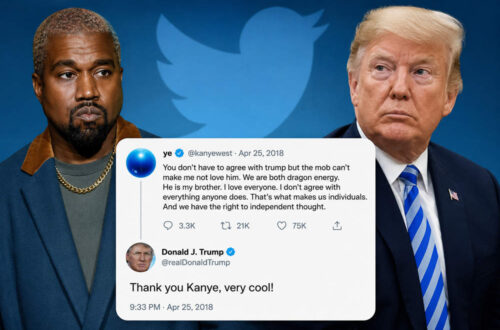
The phrase also shows up in pop culture and fandom spaces. Fans may excuse one public figure’s behavior while attacking another for something similar. Fashion, music, sports, and influencer drama all give people plenty of chances to use the phrase as a reaction.
Is It Always Serious?
No. A lot of the time, “it’s cool when they do it” is used in a playful or exaggerated way. The person using it may not be genuinely angry. They may just be turning a small annoyance into a meme.
For example, someone could use the phrase after a pet steals food and still gets treated like the cutest thing in the room. Another person might use it when a friend repeats the same joke and gets a bigger laugh. These are not deep social critiques, but the format makes the irritation funny.
Still, the phrase can carry a heavier meaning when the example involves real unfairness. It can point to double standards around gender, race, fame, age, class, workplace power, or social status. Context decides whether the post reads as a joke, a complaint, or a serious callout.