
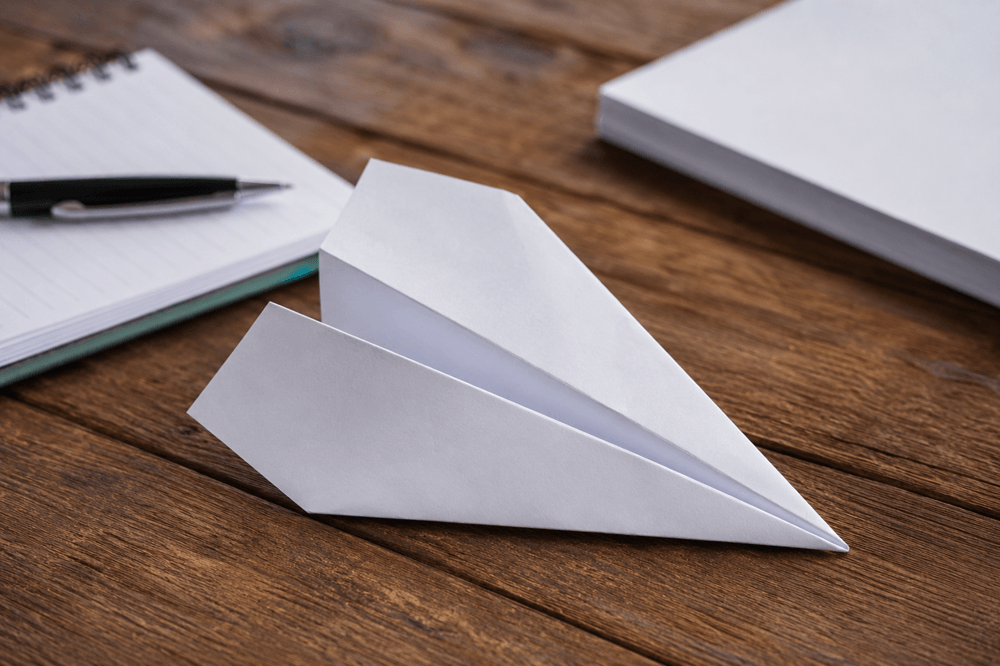
Paper plane games are built on one tiny promise: throw better, fly farther, try again. That idea worked in old browser games, early mobile apps, and simple Flash-style toys. It still works today because the feedback is instant, familiar, and oddly satisfying.
You do not need a long tutorial to understand the goal. A paper plane should stay in the air. If it dives, you try a better angle. If it glides farther, you feel like you cracked the code. That small design loop is why these games still have charm.
Quick Take
Paper plane games are worth playing if you like quick physics challenges, casual upgrade systems, and low-pressure games that do not demand a huge time commitment. They are not deep in the same way a story game or strategy game is deep. Their appeal is smaller and simpler: launch, adjust, improve.
The best versions work because they make every attempt feel useful. A short flight teaches you something. A longer flight gives you a tiny win. A few upgrades make the next try feel more promising.
Why Paper Plane Games Still Work
A good paper plane game feels understandable from the first second. You launch the plane, watch how it moves, then make a small change. Maybe you throw higher. Maybe you use a boost later. Maybe you stop chasing a collectible that ruined your glide.
That kind of clear cause and effect is important. The game can be silly, colorful, or unrealistic, but the flight needs to feel fair. If the plane drops, the player should have a rough idea why. If it sails farther, the improvement should feel earned.
These games also benefit from short rounds. A flight can last a few seconds or a couple of minutes, which makes retrying easy. There is no big emotional investment, no complicated setup, and no pressure to perform. It is the digital version of tossing a paper airplane across the room and immediately wanting one more throw.
Paper Flight 2 and the Classic Upgrade Formula
Paper Flight 2 on Y8 is a modern example of the same kind of casual paper-plane idea. The game is not trying to be a serious flight simulator. It keeps things light: throw the paper plane, use a booster, collect stars and bonus items, then upgrade your plane in the shop.
GamePix also lists Paper Flight 2 as a browser game for desktop and mobile. Its version focuses on launching the plane, keeping it in the air, gathering paperclips, and upgrading speed and strength over time.
That upgrade system is the hook. A failed attempt does not feel completely wasted because it can still move you toward a better plane. That is why this genre can feel relaxing and mildly addictive at the same time. You are not just repeating the same throw. You are slowly nudging the plane toward a better run.
Paper Planes as a Web Experiment
Not every digital paper-plane project is built around high scores. Paper Planes by Active Theory, featured on Experiments with Google, takes a softer and more creative approach. It lets users fold a virtual paper plane, stamp it with their location, and throw it into a shared digital world where someone else can catch it.
That project shows why paper planes work so well as a tech idea. A paper plane already feels like movement, travel, and message-sending. It does not need much explanation. The object carries the metaphor on its own.
That is also why paper planes show up in games, app icons, classroom activities, web toys, and design experiments. They are simple enough for kids, nostalgic enough for adults, and flexible enough for developers who want a playful interface.
Why Real Paper Airplanes Still Matter
The digital version is fun because it borrows from something physical. Real paper airplanes are tiny experiments in design. You fold one, throw it, watch it fail, make a small change, and try again.
If a game makes you want to test the real thing, Fold’N Fly is a great place to start. It has folding guides, video instructions, and printable templates for different paper airplane styles. Some are built for distance. Others are made for time aloft, tricks, or easy folding.
That real-world connection gives paper-plane games a nice extra layer. You do not need to understand lift, drag, angle, or balance in technical terms. You feel those ideas through trial and error. The screen version simplifies the physics, but the basic instinct is the same: adjust the plane until it flies better.
What Makes a Good Paper Plane Game?
The best paper plane games usually get four things right.
First, the controls should be easy. A paper plane should feel light and quick, not like a full flight simulator wearing a paper costume.
Second, the physics should be readable. Players need to understand how launch angle, momentum, boosts, obstacles, and upgrades affect the result.
Third, restarts should be fast. These games live or die by retry speed. If a ten-second flight is followed by a long wait, the fun disappears.
Fourth, progress should feel meaningful. Better speed, stronger boosts, longer glide time, or smoother handling can all help. The key is balance. Upgrades should improve the experience without making the early game feel like a chore.
Where These Games Go Wrong
Paper plane games can get boring when every run feels too similar. A few small changes help: new routes, wind effects, mission goals, collectibles, backgrounds, obstacles, or different plane types.
Ads can also break the mood. These games are usually best as light, low-friction breaks. If every crash leads to a long video ad, the experience starts feeling less like play and more like waiting.
The other common problem is fake depth. Extra currencies, cluttered menus, and endless upgrade screens do not automatically make a game better. The flight itself has to stay fun. Everything else should support that core moment.
What to Try Now
If you want a simple browser game, start with Paper Flight 2. It has the familiar throw, boost, collect, and upgrade structure that defines this style of paper-plane game.
If you want something more creative, try Paper Planes by Active Theory. It is less about beating a score and more about the fun idea of sending a paper plane across a connected digital world.
If you want to step away from the screen, browse Fold’N Fly. Folding a real plane is still the most satisfying version of the concept, especially when a tiny wing adjustment actually changes the flight.
Are Paper Plane Games Worth Playing Today?
Yes, as long as you know what they are. Paper plane games are best as small breaks, not all-night gaming sessions. They are good for a browser tab between tasks, a quick phone game, or a relaxed physics toy that does not ask much from you.
They can also be good for kids because the basic idea is friendly and easy to understand. Parents should still pay attention to ads, external links, and privacy settings on free game sites, but the gameplay itself is usually low-pressure.
For adults, the appeal is partly nostalgia. Many of us remember folding paper planes in school, launching them badly, then pretending the next fold would fix everything. A game version captures that same tiny experiment without needing a hallway or a fresh sheet of paper.
Final Take
Paper plane games are small, but that is exactly why they work. They take a familiar object and turn it into a quick physics challenge with instant feedback.
The genre does not need big graphics or complicated systems to be fun. It only needs a good launch, a fair glide, and a reason to try again.
Whether you play Paper Flight 2, explore Google’s Paper Planes experiment, or fold a real one at your desk, the appeal is still the same. Make the little thing fly farther than it did last time.